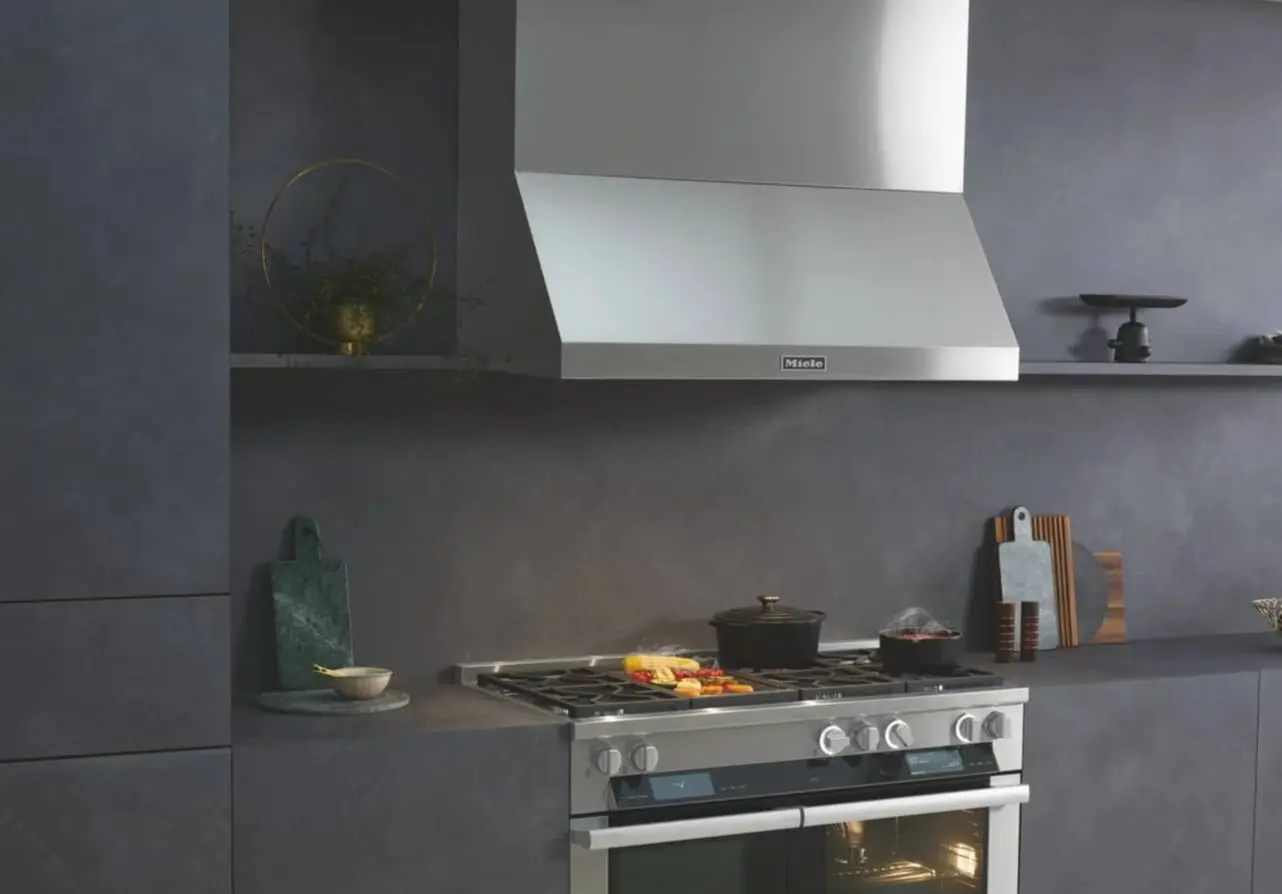
Miele range hoods combine powerful ventilation with sophisticated design and quiet operation. Whether you have a wall-mounted, island, downdraft, or integrated hood, proper maintenance and timely repairs ensure optimal performance. This guide covers common issues and solutions.
Understanding Your Miele Ventilation System
Miele produces various hood types for different kitchen configurations. Wall-mounted hoods attach to the wall above cooktops, island hoods suspend from the ceiling, downdraft systems rise from the cooktop surface, and integrated hoods fit within cabinetry.
All systems share common components including fans or blowers, filters, ducting, lighting, and controls. Understanding these elements helps diagnose problems effectively.
Ventilation hoods operate in two modes: ducted (external venting) and recirculating (filtering and returning air). Ducted systems provide superior performance by removing moisture, heat, and odors outside. Recirculating systems use charcoal filters to clean air before returning it to the kitchen.
Inadequate Ventilation Performance
Poor ventilation is the most common complaint. First, verify you’re using appropriate fan speed for your cooking. High heat cooking like searing or stir-frying requires maximum speed.
The filters may be clogged with grease. Mesh grease filters trap cooking oils and grease before they reach the blower. When saturated, they restrict airflow dramatically. Remove filters and inspect them—if you can’t see through them easily when held to light, they need cleaning.
Clean metal grease filters in the dishwasher or by hand with hot water and degreasing detergent. Very greasy filters may require soaking in degreaser before washing. Clean filters monthly with regular cooking, more frequently with heavy use.
For recirculating hoods, the charcoal filters may be exhausted. These filters absorb odors but have limited capacity. Replace charcoal filters every 3-6 months depending on usage. They cannot be cleaned or regenerated.
The blower itself may be coated with grease despite the filters. Over time, some grease bypasses filters and accumulates on blower blades. This buildup reduces efficiency. Access the blower and clean it thoroughly with degreaser.
Check the ductwork if using external venting. Long duct runs, multiple bends, or small diameter ducts significantly reduce airflow. Optimal ducting uses rigid metal pipe of at least 6 inches diameter with minimal bends. Each 90-degree elbow is equivalent to about 10 feet of straight duct in terms of resistance.
The exterior vent cap may be blocked. Birds’ nests, lint accumulation, or a stuck damper flap prevent proper air exhaust. Inspect the exterior termination and ensure the damper opens freely when the hood operates.
Fan Not Working
A hood with non-operational fan provides no ventilation. Start by checking the power supply. Verify the circuit breaker hasn’t tripped and the hood is receiving power.
The fan speed control may have failed. Test different speed settings to see if any speeds work. If only certain speeds fail, the control switch or speed controller has likely malfunctioned.
The blower motor may have burned out. If you hear no sound when activating the fan, the motor likely needs replacement. Before replacing the motor, verify it’s receiving power with a multimeter.
Thermal protection may have tripped if the motor overheated. Some motors have auto-reset thermal fuses that restore function once cool. Others have manual reset buttons. Locate and reset the thermal protection if present.
The motor capacitor helps start the blower motor. A failed capacitor prevents motor starting. You may hear humming without the fan spinning, indicating a capacitor problem. Capacitors are inexpensive but require careful handling due to stored electrical charge.
Wiring connections can loosen from vibration over time. Access the hood’s electrical compartment and inspect all wire connections. Ensure connectors are secure and wires show no damage.
The control board regulates all hood functions in electronic models. A failed board prevents fan operation even when all other components work correctly. Board diagnosis typically requires professional expertise.
Excessive Noise
While some operational noise is normal, excessive or unusual sounds indicate problems. Rattling or vibrating sounds often come from loose components. Tighten all mounting screws for the hood, blower, and ductwork.
The blower wheel may be out of balance from grease accumulation or damage. Remove and clean the blower wheel thoroughly. If bent or damaged, replace it to restore quiet operation.
Loose ductwork creates rattling as air flows through. Secure all duct connections with appropriate fasteners. Metal duct tape or specialized clamps work well. Never use cloth duct tape for ventilation systems.
The blower motor bearings may be worn. This creates a grinding or squealing sound. Worn bearings require motor replacement—they cannot be serviced separately in most designs.
Whistling or howling indicates air turbulence. This typically results from partially blocked filters or restrictive ductwork. Clean filters and inspect ducting for obstructions or sharp bends.
Wind noise can occur with external venting when outside wind affects the vent cap. Installing a wind-resistant or spring-loaded damper reduces this issue.
The hood may not be mounted securely. Check all mounting points and ensure the hood is firmly attached to the wall or ceiling. Any movement during operation causes noise and potential damage.
Lights Not Working
Non-functional lights affect visibility while cooking. Start with the obvious—replace the bulbs. Miele hoods use specific bulb types; consult your manual for correct specifications. LED bulbs typically last much longer than halogen or incandescent types.
Ensure you’re using the correct bulb wattage. Excessive wattage generates heat that can damage fixtures and wiring. Never exceed the maximum wattage specified on the light socket.
The light socket may have failed. Inspect the socket for corrosion or damage. Test for power at the socket with a multimeter. If power is present but bulbs don’t work, replace the socket.
The light switch can fail from repeated use. If lights don’t turn on despite good bulbs and power, test the switch with a multimeter for continuity when activated. Replace a faulty switch.
For touch controls or electronic switches, the control board may have failed. If other functions work but lighting doesn’t respond to controls, suspect a control board issue.
Internal wiring problems can prevent lights from working. Grease accumulation can corrode connections. Access the electrical compartment and inspect all wiring to the light fixtures.
Some models have separate fuses or circuit protection for lighting. Check if your model has replaceable fuses and test them for continuity.
Control Panel Problems
Unresponsive controls prevent proper hood operation. For touch controls, clean the control panel surface thoroughly. Grease film prevents accurate touch detection. Use appropriate cleaners that won’t damage the surface.
Try resetting the hood by turning off the circuit breaker for several minutes, then restoring power. This clears temporary electronic glitches.
The control membrane or touchpad can fail. This component registers button presses and displays settings. Replacement involves removing the control panel assembly and installing a new touchpad.
For mechanical switches and knobs, clean around them to remove grease buildup that can cause sticking. If cleaning doesn’t help, switches may need individual replacement.
The control board processes all inputs and controls all outputs. A failed board causes various symptoms from complete non-operation to erratic behavior. Board replacement requires matching your exact model number.
Display problems like dim or blank screens may indicate backlight failure or display module issues. These can sometimes be repaired separately from the main control board.
Installation and Mounting Issues
Improper installation affects performance and safety. Verify the hood is level. Use a spirit level to check both horizontally and side-to-side. An unlevel hood looks poor and may have performance issues.
Check that the hood height above the cooktop matches specifications. Mounting too high reduces capture efficiency. Too low creates head clearance problems and fire hazards. Typical mounting height is 24-30 inches above electric cooktops, 30-36 inches above gas.
The hood must be securely attached to structural members, not just drywall. Heavy hoods require proper blocking or attachment to studs. Verify all mounting hardware is appropriately sized and secure.
For island hoods, ceiling attachment points must support the hood’s weight plus downward force from ducting. Inspect ceiling mounting and reinforce if necessary.
Downdraft systems must have adequate clearance for their rising mechanism. Objects too close can interfere with operation or cause damage.
Ensure adequate electrical supply. Hoods require dedicated circuits of appropriate amperage. Underpowered circuits cause breaker tripping, especially when using lights and fan simultaneously.
Ducting Optimization
Ducting significantly affects performance. Use the largest diameter duct practical—typically 6 to 10 inches for residential hoods. Larger diameter reduces air resistance.
Keep duct runs as short as possible. Every foot of ducting creates resistance. Plan the shortest route from hood to exterior.
Minimize bends and elbows. Each bend creates turbulence and reduces airflow. Use wide-radius elbows (sweeps) rather than sharp 90-degree turns.
Use rigid metal ducting whenever possible. Flexible ducting creates much more air resistance. If you must use flexible duct, keep it to minimum length and pull it completely tight to reduce interior ridges.
Seal all duct connections with metal foil tape or mastic. Never use fabric duct tape which degrades quickly. Air leaks waste energy and reduce performance.
Insulate ducting in unconditioned spaces to prevent condensation. This is especially important in attics or where ducts pass through cold areas.
The exterior termination should include a damper to prevent backdrafts when the hood isn’t operating. Install weather-resistant caps designed specifically for range hood applications.
Grease Management
Effective grease capture protects the blower and ductwork. Install and maintain filters properly. Filters must be correctly positioned—typically at an angle to catch rising grease-laden air.
Clean filters regularly based on cooking frequency. Heavy cooking requires weekly cleaning; moderate use allows monthly cleaning. Don’t wait for visible grease saturation.
For particularly greasy cooking, consider grease cups or collection trays if your model supports them. These catch liquid grease before it reaches filters.
The hood interior needs periodic cleaning. Wipe down all surfaces with degreaser monthly. This prevents buildup that can drip or create fire hazards.
The blower and ductwork eventually accumulate some grease despite filters. Annual deep cleaning of the entire ventilation system maintains performance and safety. This may require professional service for complete disassembly and cleaning.
If you notice grease dripping from the hood or filters, clean immediately. This indicates severe saturation and fire risk.
Downdraft System Specific Issues
Downdraft systems have unique considerations. If the downdraft won’t rise or lower, the lift mechanism may have failed. This motor-driven system requires professional diagnosis and repair.
The blower in downdraft systems is typically remotely mounted. If you hear the blower but feel no airflow, check for duct blockages between the remote blower and downdraft unit.
Downdraft systems capture cooking emissions less effectively than overhead hoods. Position tall pots to allow the downdraft to capture steam and odors effectively. Using rear burners improves capture when possible.
The rising panel may jam from grease buildup or debris. Clean the tracks and mechanism regularly. Ensure nothing obstructs the panel’s path.
Remote blowers require separate maintenance. Clean the blower and check its operation periodically, even though it’s out of sight.
Recirculating Mode Optimization
Recirculating hoods need special attention to filters. Grease filters still require the same maintenance as ducted hoods. The charcoal filters are additional, not replacement.
Install charcoal filters according to manufacturer instructions. They must be positioned correctly to process all exhausted air. Incorrect installation allows unfiltered air to bypass the carbon.
Replace charcoal filters on schedule. Unlike grease filters, charcoal filters cannot be cleaned. They saturate with odors and lose effectiveness. Continuing to use exhausted filters provides no odor control.
Recirculating hoods work less effectively than ducted systems. Set realistic expectations—they improve air quality but don’t remove moisture or all odors.
Consider upgrading to ducted venting if possible. This involves installing ductwork to the exterior but provides dramatically better performance.
Energy Efficiency
Range hood operation affects kitchen comfort and energy use. Run the hood only as long as necessary. Continue ventilation for a few minutes after cooking finishes to clear remaining fumes.
Use the lowest effective fan speed. Higher speeds remove air faster but also exhaust conditioned air from your home. In ducted systems, this air must be replaced, affecting heating and cooling costs.
Consider variable speed controls if not already present. Being able to fine-tune fan speed allows effective ventilation without excessive air exchange.
LED lighting uses significantly less energy than halogen. If your hood uses halogen bulbs, consider LED retrofits if compatible. LED bulbs also last much longer.
Clean filters regularly. Clogged filters force the blower to work harder, using more energy while providing less ventilation.
For ducted systems, ensure the damper closes when the hood isn’t operating. An open damper allows conditioned air to escape continuously.
Fire Safety Considerations
Range hoods face fire risk from grease accumulation. Never flambé or perform other open flame cooking directly under the hood without verifying manufacturer approval.
If a grease fire occurs, turn off heat and cover the pan. Never use water on grease fires. Keep a fire extinguisher accessible in the kitchen.
Don’t use the hood as supplementary storage. Items on top of wall-mounted hoods can fall onto the cooktop or create fire hazards.
Maintain adequate clearance between cooking surface and combustible materials. Follow all local codes and manufacturer specifications.
Keep the hood and filters clean. Grease buildup is highly flammable and can catch fire from flames or extreme heat.
Test smoke detectors regularly and ensure your kitchen has appropriate fire detection and suppression systems.
Maintenance Schedule
Establish a regular maintenance routine. After each heavy cooking session, wipe visible grease from the hood exterior and interior surfaces.
Weekly cleaning includes wiping down the hood and cleaning filters if cooking frequently or performing greasy cooking.
Monthly tasks involve thorough filter cleaning, interior wiping, and inspecting all components for damage or wear.
Quarterly maintenance includes testing all functions—lights at all settings, fan at all speeds, and controls. Check mounting security and inspect visible ductwork.
Annually, perform deep cleaning including blower cleaning, comprehensive duct inspection, exterior vent inspection, and replacement of charcoal filters if using recirculating mode.
Every few years, consider professional cleaning service for complete disassembly and degreasing of all components. This is especially important for commercial-grade or heavily used hoods.
Replace bulbs as they burn out. Don’t wait for all bulbs to fail—maintain good lighting at all times.
When Professional Service Is Needed
Some repairs require expertise and tools beyond typical homeowner capabilities. Electrical work involving control boards, wiring modifications, or power supply issues may require licensed electricians.
Blower motor replacement can be complex depending on your hood model. While some motors are easily accessible, others require significant disassembly.
If you’re uncomfortable working at heights for island or high wall-mounted hoods, professional service ensures safety.
For ductwork modifications or additions to convert recirculating to ducted venting, contractors with HVAC experience provide best results.
If troubleshooting doesn’t identify the problem, professional diagnosis prevents purchasing unnecessary replacement parts.
Miele-authorized service providers receive specific training on Miele products. They have access to technical documentation, genuine parts, and specialized tools.
Upgrades and Improvements
Consider upgrades to improve performance. Variable speed controls provide more flexibility than single-speed operation. Many older hoods can be retrofitted with modern controls.
LED lighting upgrades improve visibility while reducing energy use and maintenance. Verify LED compatibility before installing.
For seriously underpowered hoods, replacing with a higher-capacity model may be the best solution. Size the replacement appropriately for your cooktop and cooking style.
Adding or improving ductwork dramatically enhances performance. If upgrading from recirculating to ducted, invest in proper ductwork installation.
Smart controls and automation allow remote operation and can integrate with kitchen ventilation needs. Some systems automatically adjust fan speed based on cooking activity.
Sound insulation kits reduce noise from high-powered blowers. These are particularly beneficial for open-plan kitchens where noise is more noticeable.
Troubleshooting Quick Reference
For poor ventilation: clean filters, verify appropriate fan speed, check ductwork, inspect exterior vent, replace charcoal filters if recirculating.
For fan not working: check power supply, test different speeds, inspect motor, verify wiring connections, reset thermal protection.
For excessive noise: tighten mounting hardware, clean blower wheel, secure ductwork, inspect motor bearings, check installation level.
For lights not working: replace bulbs, test sockets, check switches, inspect wiring, verify control board function.
For control problems: clean control surface, reset power, check wiring, test control board, inspect switches.
For downdraft issues: check lift mechanism, inspect ductwork to remote blower, clean tracks, verify blower operation.
By following this comprehensive guide, your Miele range hood will provide years of effective ventilation, maintaining excellent air quality in your kitchen while operating quietly and efficiently.