
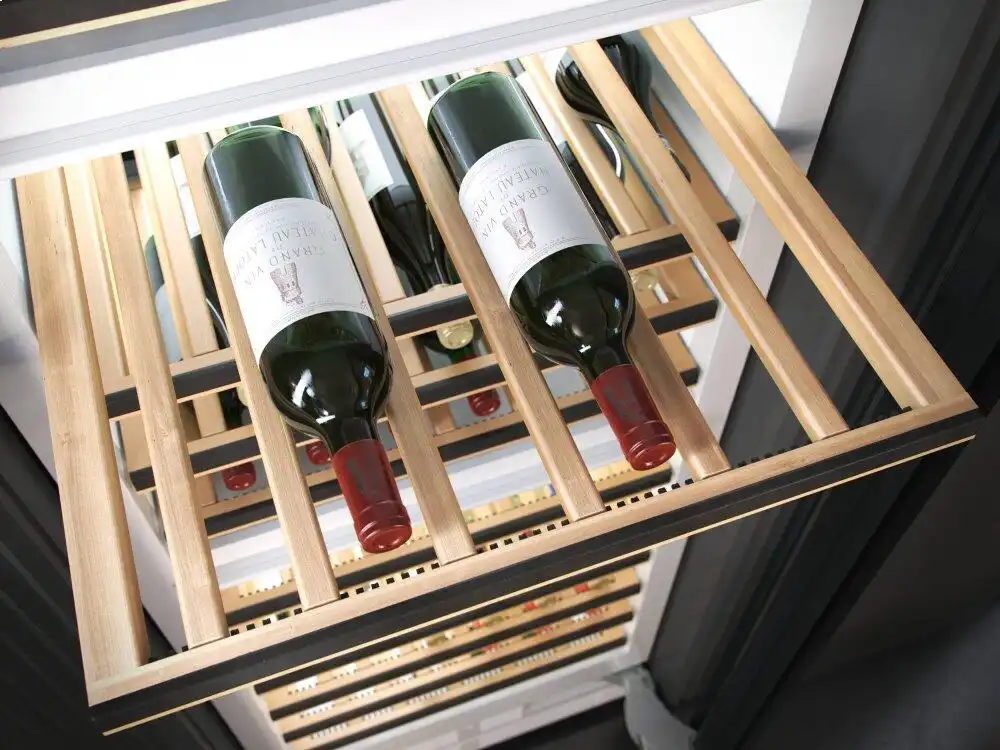
Miele wine refrigerators and beverage centers provide optimal storage conditions for wine collections and beverages. These specialized appliances maintain precise temperature and humidity while minimizing vibration. This guide helps you maintain and troubleshoot your unit for optimal performance.
Understanding Wine Storage Appliances
Miele wine coolers differ from standard refrigerators in several important ways. They maintain higher temperatures ideal for wine storage—typically 40-65°F depending on wine type. They control humidity to keep corks from drying out. They minimize vibration to avoid disturbing wine sediment.
Single-zone units maintain one temperature throughout. Dual-zone or multi-zone units have separate compartments for different wine types. Red wines prefer 55-65°F, white wines 45-55°F, and champagne 40-50°F.
The cooling system may be compressor-based, similar to standard refrigerators, or thermoelectric using Peltier cooling. Each system has different characteristics and maintenance needs.
Temperature Issues
Incorrect temperature affects wine quality. If the unit runs too warm, verify the temperature setting first. Wine coolers are designed for higher temperatures than food refrigerators—don’t expect 35-40°F temperatures.
Check the door seal for damage or gaps. A poor seal allows warm air infiltration. Close the door on a piece of paper—if you can pull it out easily, the seal isn’t sealing properly. Clean seals with mild soap and water, removing any residue or debris.
Ensure adequate ventilation around the unit. Wine coolers need clearance for airflow, especially around vents and coils. Built-in models require specific clearances listed in installation instructions. Blocked vents cause overheating and poor cooling.
The ambient temperature affects cooling capacity. Wine coolers are designed to cool to a specific temperature below ambient. If your room is 85°F, the unit may struggle to reach 55°F. Install wine coolers in temperature-controlled environments, not garages or non-climate-controlled areas.
For compressor units, the compressor runs periodically to maintain temperature. If the compressor never runs, the thermostat or control board may have failed. If it runs constantly without reaching set temperature, the refrigeration system has problems.
The condenser coils may be dirty. These coils release heat absorbed from inside the unit. Dust accumulation insulates the coils, reducing cooling efficiency. Locate the coils (typically at the back or bottom) and clean them with a vacuum or coil brush every 6 months.
For thermoelectric units, the cooling module may have failed. These units use solid-state cooling with no refrigerant. A failed Peltier module requires replacement. Thermoelectric units are more sensitive to high ambient temperatures than compressor models.
The evaporator fan circulates cold air. If this fan fails, temperature becomes uneven and cooling is inadequate. Listen for fan operation—you should hear gentle airflow. Replace a failed fan motor.
Excessive Humidity or Condensation
Wine storage requires proper humidity levels—typically 50-70%. Too much humidity causes mold; too little dries corks. Some condensation is normal, especially in humid environments.
The drainage system may be blocked. During cooling cycles, condensation forms on the evaporator and should drain to a pan where it evaporates. A clogged drain causes water accumulation inside the unit. Locate the drain opening and clear any blockages with warm water or a pipe cleaner.
The door seal allows humid air to enter when damaged. Inspect the seal carefully for gaps or damage. Replace worn seals to maintain proper humidity levels.
Opening the door frequently introduces humid air. Minimize door opening to maintain stable conditions. This is especially important in humid climates.
For units with humidity control features, verify settings are appropriate. Too high humidity settings cause excessive moisture.
The water collection pan may be full or overflowing. This pan collects condensation from the evaporator. It should evaporate naturally, but in very humid conditions or with excessive door opening, it may fill faster than it evaporates. Empty the pan if necessary.
Check that the unit sits level. An unlevel appliance prevents proper water drainage to the collection pan, causing water accumulation inside.
Vibration Problems
Wine coolers should operate quietly with minimal vibration. Excessive vibration disturbs wine sediment and can be annoying in living spaces.
Verify the unit sits level. Use a spirit level and adjust leveling feet until the unit is perfectly level in all directions. An unlevel unit may vibrate as the compressor operates.
Ensure the unit is firmly positioned and not touching walls or cabinets. Touching surfaces transfer vibration and amplify noise. Leave small gaps between the unit and surrounding structures.
Internal shelving may rattle if bottles aren’t positioned properly. Arrange bottles so they don’t touch each other or rattle against shelf edges.
The compressor mounting may have loosened. Compressors sit on rubber isolators to minimize vibration transmission. Access the compressor compartment and verify all mounting hardware is secure.
For built-in units, check that mounting brackets are tight and the unit is securely installed in its opening. Loose installation creates vibration and noise.
Foreign objects between the unit and cabinetry or walls can transmit and amplify vibration. Inspect around the unit and remove any items in contact with it.
Light Not Working
Interior lighting allows viewing your collection without opening the door. If lights don’t work, start by replacing the bulb. Use only the bulb type specified for your model—wine cooler bulbs must withstand temperature and humidity conditions.
Some wine coolers use LED strips rather than bulbs. LEDs rarely fail individually but the entire strip may need replacement if damaged.
The light switch typically activates when the door opens. This switch can fail or become stuck. Clean around the switch and test it manually. Replace if defective.
The light socket may be corroded from humidity exposure. Inspect the socket for corrosion or damage. Replace if necessary, ensuring proper electrical connections.
For models with timed lighting that turns off automatically, verify the timer function is working correctly through the control panel.
A failed control board can prevent lights from operating. If other functions work but lighting never activates, suspect control board issues.
Door Problems
Proper door function is essential for maintaining storage conditions. Doors that don’t close completely allow air exchange and affect temperature and humidity.
The door hinges may need adjustment. Most wine cooler doors allow adjustment for proper alignment. Consult your manual for adjustment procedures specific to your model.
Door springs or soft-close mechanisms help doors close automatically. A failed spring allows doors to swing open easily. Springs are under tension—use caution when replacing them.
Heavy glass doors can sag over time, causing alignment issues. This is more common in larger units. Adjusting hinges may compensate, but severely sagged doors may need replacement.
The door latch should engage positively when closed. If the door doesn’t stay closed, adjust or replace the latch mechanism.
For reversible doors, verify the door was reinstalled correctly if it was recently reversed. Incorrect reinstallation causes sealing and alignment problems.
Check that shelves aren’t preventing the door from closing. Bottles positioned too far forward can interfere with door closure.
Display and Control Issues
Electronic controls manage all wine cooler functions. Unresponsive controls prevent adjusting settings.
Try resetting the unit by unplugging it for 5-10 minutes, then restoring power. This clears temporary electronic glitches.
The control panel may be locked to prevent accidental changes. Consult your manual for how to unlock the controls if this feature exists.
Touch panel surfaces can become contaminated, affecting operation. Clean the panel with appropriate cleaner and ensure it’s completely dry.
The control board processes all inputs and controls all outputs. A failed board causes various symptoms. Board replacement requires matching your exact model number.
Display problems like dim screens may indicate backlight failure or display module issues separate from the control board.
For units with separate temperature zones, each zone may have independent controls. Verify you’re adjusting the correct zone’s settings.
Noise Issues
Wine coolers should operate quietly. Excessive noise requires investigation.
Compressor units make some noise during operation—humming and occasional clicking as the compressor cycles on and off. This is normal. Loud or continuous clicking suggests compressor relay problems.
Thermoelectric units are generally quieter than compressor models but fans still create some noise. Excessive fan noise may indicate worn bearings or an unbalanced fan blade.
Rattling sounds often come from bottles touching each other or shelf components. Rearrange bottles to eliminate contact.
Gurgling sounds from compressor units are normal—they’re refrigerant flowing through the cooling system. This is more noticeable during and after cooling cycles.
A high-pitched humming may indicate electrical component vibration. Tighten all mounting screws and verify proper grounding.
Water dripping sounds suggest the drain pan is receiving condensation. This is normal unless excessive or if water overflows.
Frost or Ice Formation
Wine coolers shouldn’t develop significant frost. If you notice frost or ice, several factors may be responsible.
The door seal may be allowing humid air to enter. This air’s moisture freezes on the coldest surfaces. Inspect and replace worn seals.
The door may be left open too long or opened too frequently. Minimize door opening to reduce humid air infiltration.
The drainage system may be blocked, causing water to freeze rather than drain. Clear the drain line and ensure proper drainage.
For units with auto-defrost, the defrost system may have failed. The defrost heater, thermostat, or timer could be faulty. These components require testing with a multimeter and replacement if defective.
Setting the temperature too low can cause excessive frosting. Wine storage doesn’t require extremely cold temperatures—verify your settings are appropriate.
Odor Problems
Wine coolers should have minimal odor. Unpleasant smells can transfer to wine corks over time.
Clean the interior thoroughly with a solution of baking soda and water. Remove all shelves and racks for complete cleaning. Avoid harsh chemicals or strong-scented cleaners.
The drain pan may harbor mold or bacteria. Access and clean the pan with mild bleach solution. Rinse thoroughly and allow to dry.
Check for spoiled items if you store other beverages or foods in the unit. Remove anything that has gone bad.
New units may have manufacturing odors that dissipate over time. For new units, clean thoroughly and leave the door open in a well-ventilated area for several hours before use.
Activated charcoal filters help absorb odors. Some models include these filters; aftermarket options are available for units without them.
Cork taint from contaminated corks can cause musty odors. This isn’t a wine cooler problem but rather an issue with specific bottles. Remove affected bottles.
Installation Considerations
Proper installation ensures optimal performance. Verify the installation location has adequate ventilation. Built-in models require specific clearances detailed in the installation manual. Insufficient clearance causes overheating and poor cooling.
The unit must sit level for proper operation. Doors won’t seal correctly if the unit tilts. Water won’t drain properly if pitched incorrectly. Use a spirit level during installation and adjust leveling feet accordingly.
Ensure proper electrical supply. Wine coolers should have dedicated circuits to avoid voltage fluctuations from other appliances. Use properly grounded outlets.
For undercounter installations, ensure the floor can support the unit’s weight when fully loaded with wine. A fully stocked wine cooler can weigh several hundred pounds.
Avoid locations near heat sources like ovens, dishwashers, or direct sunlight. These heat sources force the cooling system to work harder and may exceed its capacity.
For dual-zone units, understand that the zones share some cooling components. Both zones can’t maintain optimal temperature if ambient conditions are too extreme.
Wine Storage Best Practices
Optimal storage extends wine life and improves aging. Store bottles horizontally to keep corks moist. Dried corks allow air infiltration that spoils wine.
Organize by variety or drinking order. This minimizes searching and reduces door opening time.
Don’t overfill shelves. Proper spacing allows air circulation for even temperature distribution. Overcrowding can also make bottles difficult to remove without disturbing others.
New additions should acclimate gradually. Don’t add room-temperature bottles directly to a cold wine cooler. Let them cool gradually in a cooler area first.
Minimize vibration by placing the unit on a solid surface. Avoid placing on appliances or furniture that transfers vibration.
Monitor temperature with an independent thermometer. Built-in displays can be inaccurate. Place a reliable thermometer inside to verify actual storage temperature.
For long-term storage, consistency matters more than exact temperature. Avoid temperature fluctuations by maintaining stable settings and minimizing door opening.
Maintenance Schedule
Regular maintenance prevents problems and extends appliance life. Weekly, check that temperature and humidity levels remain appropriate. Verify the unit operates quietly without unusual noises.
Monthly tasks include wiping down the interior with a damp cloth, inspecting door seals for damage, and checking door closure and alignment.
Every 3-6 months, clean the condenser coils (for compressor units), inspect and clean the drain system, and verify all controls function properly.
Annually, perform deep cleaning including removing all bottles and shelves for thorough interior cleaning. Check all electrical connections. Inspect the exterior vent and ensure proper airflow.
Replace filters (if equipped) according to manufacturer recommendations. This includes both air filters and water filters if your model has humidity control.
Professional service every few years can identify potential problems before they cause failures. Technicians can test refrigerant levels (compressor units), verify electrical systems, and inspect components not easily accessible to homeowners.
Energy Efficiency
Wine coolers run continuously, so efficiency matters. Keep the door closed as much as possible. Each opening releases cold air that must be replaced.
Maintain proper temperature settings. Unnecessarily cold temperatures waste energy without benefiting wine storage.
Clean condenser coils regularly. Dirty coils reduce heat transfer efficiency, forcing the compressor to run longer.
Ensure proper ventilation around the unit. Blocked vents force the cooling system to work harder.
For thermoelectric units, keep ambient temperature moderate. These units work less efficiently as the temperature differential increases.
LED lighting uses significantly less energy than incandescent or halogen. If your unit uses traditional bulbs, consider LED replacements if compatible.
Keep the unit fully stocked when possible. The thermal mass of bottles helps maintain temperature stability, reducing compressor cycling.
When Professional Service Is Needed
Some repairs require specialized knowledge. Refrigeration system work including refrigerant handling requires EPA certification and specialized equipment.
Thermoelectric module replacement is straightforward but requires the correct replacement part and some technical knowledge.
Control board diagnosis and replacement can be complex. While physical replacement is simple, determining if the board actually failed requires expertise.
If you’ve attempted basic troubleshooting without success, professional diagnosis saves time and prevents unnecessary part purchases.
For built-in units, removal for service may require professional help, especially for large, heavy units.
Miele-authorized service providers receive specific training on wine storage appliances. They understand the unique requirements and have access to proper parts and technical resources.
Compressor vs. Thermoelectric Systems
Understanding your cooling system type helps with troubleshooting. Compressor systems use refrigerant and work like standard refrigerators. They cool effectively regardless of ambient temperature and handle larger capacity units.
Thermoelectric systems use Peltier cooling—solid-state cooling with no moving parts except fans. They’re quieter but less efficient in high ambient temperatures. They’re better suited to smaller capacity units.
Compressor units require refrigerant system maintenance that needs professional service. Thermoelectric units have simpler components that are more DIY-friendly.
Both systems need proper ventilation and regular maintenance for optimal performance.
Long-Term Storage Considerations
If storing wine long-term (years), stability is crucial. Avoid any changes to temperature settings once established.
Monitor humidity levels with a hygrometer. Target 50-70% humidity for cork health. Add a small container of water if humidity drops too low; use desiccant if too high.
Vibration over months and years can disturb sediment. Ensure the unit remains stable and avoid moving it once stocked.
Keep records of what’s stored and when bottles were added. This prevents excessive searching and door opening.
Consider professional appraisal and insurance for valuable collections. Wine coolers protect investment collections but aren’t failsafe.
Plan for power outages. Units will maintain temperature for several hours if unopened. Consider backup power for valuable collections in areas with frequent outages.
Troubleshooting Quick Reference
For temperature too warm: check door seal, clean condenser coils, verify ventilation, check ambient temperature, test compressor/cooling module.
For excessive humidity/condensation: clear drain line, check door seal, minimize door opening, verify level installation, empty drain pan.
For vibration: level the unit, secure compressor mounting, ensure proper installation, check for contact with walls, arrange bottles properly.
For lights not working: replace bulb, test switch, inspect socket, check control board.
For door problems: adjust hinges, check door spring, verify proper closing, inspect latch mechanism, ensure shelves don’t block closure.
For noise issues: level unit, secure all components, rearrange bottles, check fan operation, verify proper compressor mounting.
For frost formation: check door seal, verify proper temperature setting, clear drain, test defrost system if equipped.
By following this comprehensive guide, your Miele wine cooler will provide optimal storage conditions for your wine collection, preserving and improving your wines for years of enjoyment.