
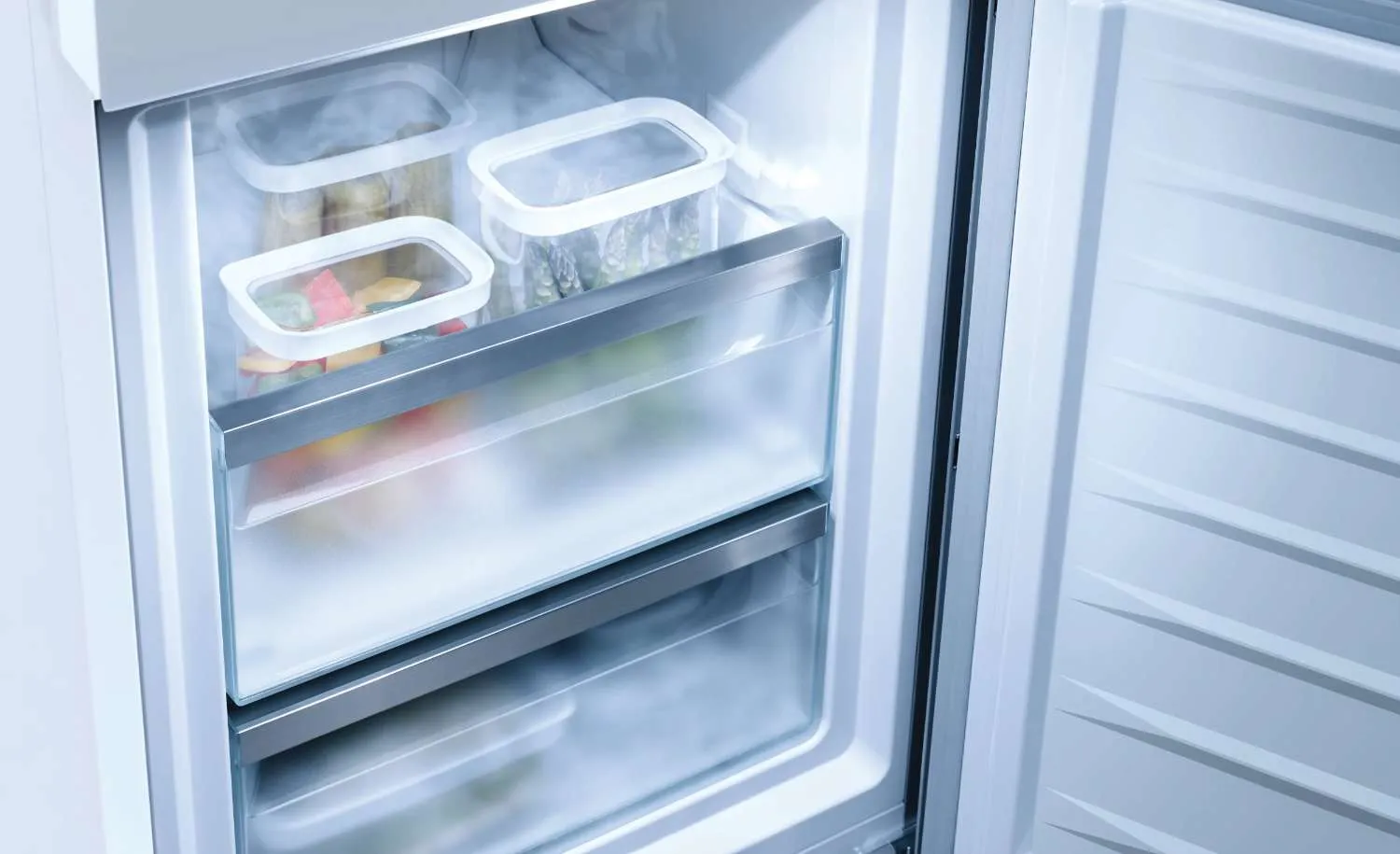
Miele freezers are built to preserve food reliably with stable temperatures, efficient insulation, and advanced controls. Whether you have an upright freezer, integrated built-in unit, or freezer compartment within a larger refrigeration system, proper care and timely repairs help maintain performance and prevent food loss. This guide covers common problems and practical solutions.
Understanding Your Miele Freezer
Miele produces freezer systems in several configurations to suit different kitchens and storage needs. Upright freezers offer full-height frozen storage, integrated models fit behind cabinet panels for a seamless look, and some combined refrigeration units include dedicated freezer sections with separate controls.
All freezers share core components such as the compressor, evaporator, condenser, thermostat or temperature sensors, circulation fan, door gasket, control board, and defrost system. Understanding how these parts work together makes troubleshooting easier.
A freezer removes heat from the interior and transfers it outside the cabinet. The compressor circulates refrigerant through the sealed system, the evaporator absorbs heat inside the freezer, and the condenser releases it into the room. Fans, sensors, and controls regulate this cycle to maintain safe storage temperatures.
Many Miele freezers also include automatic defrost features, alarms, fast-freeze functions, and digital displays. When one of these systems stops working properly, performance can decline quickly.
Freezer Not Cooling Properly
Poor cooling is one of the most common freezer complaints. Start by checking the temperature setting. A freezer that has been accidentally adjusted may still run, but not cold enough to preserve food safely. The ideal freezer temperature is generally around 0°F or -18°C.
If the setting is correct, inspect the door seal. A damaged or loose gasket allows warm room air into the freezer, forcing it to run longer while still struggling to stay cold. Close the door on a sheet of paper in several spots. If the paper slides out easily, the seal may not be tight enough.
Overloading the freezer can also reduce cooling performance. Packed shelves may block airflow and prevent cold air from circulating properly. Rearranging items to allow air movement often improves temperature consistency.
Check for frost buildup on the interior panels. Heavy frost can indicate a defrost problem, restricted airflow, or frequent warm air intrusion through the door.
Dirty condenser coils can reduce cooling efficiency. If your freezer has accessible coils, clean them carefully with a brush or vacuum. Dust and lint buildup makes it harder for the appliance to release heat.
If the freezer runs constantly but still does not reach the correct temperature, the evaporator fan, temperature sensor, compressor, or sealed cooling system may be at fault.
Freezer Not Running at All
If the freezer is completely silent and not cooling, begin with the power supply. Check the outlet, breaker, and power cord. Try plugging in another device to confirm the outlet works.
If the freezer has interior lights or a display but the compressor does not run, the issue may involve the thermostat, control board, start relay, or compressor protection components.
Some models have control lock or display settings that may give the impression the unit is off or unresponsive. Review the control panel for alarm indicators, lock symbols, or error messages.
If there is no display, no light, and no sound, power is likely not reaching the appliance or an internal electrical component has failed.
A recently moved freezer may also need time before restarting if it was tilted during transport. Oil in the compressor system needs time to settle before normal operation resumes.
Freezer Running Constantly
A freezer that never seems to stop running often has to work harder than it should. Start by checking the room temperature. Freezers installed in hot garages, near ovens, or in poorly ventilated spaces may run much longer than normal.
Inspect the door gasket for leaks. Even a small gap allows warm air inside and forces the compressor to operate more frequently.
Frequent door openings, recently added warm food, or large quantities of unfrozen groceries can also cause extended run times. This may be normal for several hours after loading the freezer.
Dirty condenser coils are another common cause. When coils cannot release heat efficiently, the freezer compensates by running longer.
If frost has accumulated around the evaporator, airflow may be restricted and the freezer may struggle to cool properly despite continuous operation. In that case, the problem may involve the defrost heater, defrost sensor, or control system.
A freezer that runs constantly and becomes unusually hot on the exterior side panels may be under heavy strain and should be checked before a larger failure develops.
Excessive Frost Buildup
Some frost is normal in certain conditions, but thick frost or ice accumulation points to a problem. The most common cause is warm air entering through a bad door seal, a door left slightly open, or frequent long openings.
Inspect the gasket carefully for cracks, hardened sections, food debris, or poor alignment. Clean it with warm water and mild soap, then dry it fully.
Check whether food packages are preventing the door from closing completely. Bulky containers, frozen bags caught between shelves, or ice buildup around drawers can all keep the door slightly ajar.
Automatic defrost models may develop frost if the defrost system is failing. The heater, sensor, timer logic, or control board may not be melting frost as intended. As frost thickens around the evaporator, airflow decreases and temperatures become unstable.
If ice appears mainly near the door opening, the issue is usually air leakage. If frost forms heavily behind the rear interior panel, the defrost system is more likely to be the cause.
Freezer Too Cold or Food Covered in Ice Crystals
A freezer that becomes colder than expected can damage food texture and lead to excessive ice crystals. Start by verifying the temperature setting. If the setting is too low, the freezer may overfreeze everything inside.
A faulty thermostat or temperature sensor can also cause overcooling. If the sensor reports warmer temperatures than actually exist, the compressor keeps running too long.
Poor package sealing contributes to frost and ice crystal formation on food even when the freezer itself is working normally. Moisture escapes from food and freezes on the surface, causing freezer burn.
Rapid temperature swings can make ice crystal problems worse. If the freezer alternates between partial thawing and refreezing, food quality declines quickly.
Make sure food is packed in airtight containers or freezer-safe wrapping. Even a properly working freezer cannot protect food well if packaging allows moisture loss.
Freezer Alarm Keeps Going Off
Many Miele freezers include audible or visual alarms to warn about high temperature, open doors, or system faults. If the alarm sounds, first check whether the door is fully closed.
A door alarm may continue if the gasket is not sealing well or if a drawer or shelf is preventing full closure. Reorganize contents and make sure nothing obstructs the door.
A temperature alarm may occur after power outages, adding a large amount of unfrozen food, or keeping the door open too long. In many cases, the alarm will stop once safe temperature is restored.
If the alarm continues despite proper cooling, the door switch, temperature sensor, or control system may be malfunctioning.
Do not ignore repeated alarms. They often indicate either inconsistent cooling or an electrical fault that could lead to food spoilage.
Freezer Making Unusual Noises
Freezers make some normal sounds during operation. Humming from the compressor, fan noise, clicking during startup, and occasional expansion or contraction sounds are all typical.
Unusual noises such as loud buzzing, rattling, grinding, or repeated clicking suggest a problem. Start by checking whether the freezer is level. An uneven appliance may vibrate against cabinetry, flooring, or nearby surfaces.
Rattling can also come from loose drain pans, tubing, or items stored on top of the unit. Remove anything resting against the cabinet and listen again.
A noisy evaporator fan may indicate ice buildup around the fan blades or a worn motor. If the sound comes from inside the freezer behind the rear panel, the fan area should be inspected.
Repeated clicking with no cooling may point to a failed start relay or a compressor struggling to start. This should be addressed quickly, as repeated start attempts can strain the electrical components.
Interior Light Not Working
If the freezer light does not turn on, start with the bulb if your model uses a replaceable one. Replace it with the correct type and rating.
If the freezer uses LED lighting, the issue may involve the light module, door switch, or control board rather than a simple bulb failure.
Test whether the light responds when opening and closing the door. A stuck or failed door switch may prevent the light from activating properly.
Moisture, corrosion, or wiring issues in the light housing can also stop operation. If the freezer cools normally but the light stays off, the problem is usually isolated to the lighting circuit rather than the cooling system.
Door Not Sealing Properly
A door that does not seal tightly can cause many other freezer problems, including frost, alarms, long run times, and temperature instability.
Inspect the gasket for cracks, tears, flattening, or hardened areas. Clean off crumbs, sticky residue, and frozen condensation that may interfere with contact.
Check door alignment. If the door sags slightly, the gasket may not press evenly all the way around. Hinges, mounting screws, and leveling feet should be checked.
Built-in and integrated models may also have panel alignment issues that affect door closure. If decorative panels shift, the freezer door may not move as freely as intended.
A gasket that has lost flexibility may sometimes improve after warming gently with a hair dryer on low heat, but badly worn seals usually need replacement.
Drawers or Shelves Stuck
Freezer drawers and shelves can become difficult to remove when frost, spilled liquids, or warped components interfere with movement.
If a drawer is frozen in place, do not yank it forcefully. Ice may be bonding it to the rails or surrounding walls. A careful manual defrost usually frees it safely.
Spilled juices or food residue can freeze and glue drawer tracks together. Cleaning and drying these areas helps prevent repeat problems.
Overloaded drawers may also tilt out of alignment and jam against surrounding compartments. Redistribute heavy items and make sure bins slide on their rails correctly.
Broken drawer rails, cracked plastic, or warped bins should be replaced before they damage the interior liner.
Defrost Problems
Automatic defrost systems prevent excessive ice accumulation on the evaporator. When defrost fails, frost builds up behind the interior panel, airflow drops, and the freezer may warm up even though the compressor runs.
Typical defrost-related components include the heater, defrost sensor, wiring, and control logic. If any one of these fails, frost can accumulate gradually until the evaporator is nearly blocked.
Symptoms often include poor cooling, a fan hitting ice, water appearing after manual thawing, or colder temperatures near one section while the rest warms.
A full manual defrost may temporarily restore performance, but if the underlying part is not repaired, the problem usually returns.
Water Leaks or Ice at the Bottom
Although freezers are cold appliances, water can still appear inside or beneath them. During automatic defrost cycles, meltwater should travel through a drain channel and tube. If that path becomes clogged, water may refreeze at the bottom of the compartment.
A sheet of ice under drawers is a common sign of a blocked or partially frozen drain. Food particles, sludge, or frozen condensation can restrict flow.
Door leaks can also introduce moisture that freezes in unwanted areas. If warm humid air enters regularly, water and ice buildup become much more likely.
Check that the freezer is level according to installation requirements. Improper leveling can affect how defrost water drains.
Temperature Display Problems
A blank, flickering, or inaccurate display may be caused by a control board issue, loose wiring, or sensor failure. Start by resetting power to the freezer for several minutes, then turning it back on.
If the display returns but shows incorrect temperatures, compare its reading with an accurate freezer thermometer placed inside. This helps determine whether the issue is truly a control problem or simply temporary fluctuation after recent loading.
Touch controls that respond slowly or inconsistently may need cleaning. Grease, moisture, or residue can interfere with panel sensitivity on some electronic models.
If the display works but features such as fast freeze, alarms, or temperature adjustments do not respond properly, the user interface or main control board may need attention.
Compressor Hot or Freezer Warm on the Outside
It is normal for some freezer components and exterior surfaces to feel warm, especially around cabinet edges designed to reduce condensation. However, excessive heat combined with weak cooling can signal trouble.
Dirty condenser coils, poor ventilation, or nonstop running can make the compressor area hotter than normal. Make sure there is enough airflow around the appliance according to installation guidelines.
If the compressor is extremely hot and the freezer is not cooling properly, it may be struggling because of a faulty start component, refrigerant issue, or internal mechanical wear.
Do not keep unplugging and replugging the freezer repeatedly in this condition. Frequent restart attempts can add more stress.
Cleaning and Odor Control
Good cleaning habits improve both freezer hygiene and mechanical performance. Wipe spills promptly before they freeze onto shelves, drawers, or seals.
Use mild soap and warm water for routine cleaning. Avoid harsh chemicals that can damage plastic interiors or leave odors behind.
Remove expired food and old ice regularly. Poor packaging, leaks, and forgotten items are common sources of freezer odor.
Clean the door gasket carefully, including folds and corners where residue can build up. A clean gasket seals better and lasts longer.
If the freezer develops lingering odors, empty it and clean all removable parts thoroughly. Let the interior air out briefly before restoring food.
Maintenance Schedule
A regular maintenance routine helps prevent major problems. Weekly, check the door seal, wipe visible spills, and confirm the temperature feels normal.
Monthly, inspect drawers, shelves, the gasket, and visible vents. Make sure food is not blocking airflow and that the door closes fully.
Every few months, clean accessible condenser coils if your model allows it. Also review the freezer’s contents and discard anything damaged or expired.
At least once a year, inspect the appliance more thoroughly for frost patterns, noise changes, alignment issues, and signs of long-term wear.
If the freezer is located in a dusty area, hot room, or heavy-use kitchen, maintenance may need to be more frequent.
Energy Efficiency Tips
A well-maintained freezer uses less energy and keeps food safer. Avoid leaving the door open longer than necessary. Know where items are stored so you can retrieve them quickly.
Let hot food cool before placing it in the freezer. Adding large amounts of warm food raises internal temperature and increases compressor workload.
Keep the freezer reasonably full but not overcrowded. Frozen food helps maintain temperature, but blocked vents reduce circulation.
Check gaskets and clean coils regularly. These simple steps reduce strain and improve efficiency.
Use fast-freeze features when adding large amounts of fresh food. This helps protect already frozen items from warming during loading.
Safety Considerations
If food has thawed significantly because of a freezer problem, use caution before refreezing it. Some items may no longer be safe to keep.
Disconnect power before inspecting electrical components or cleaning areas near wiring. Never chip away ice with sharp metal tools, as this can damage liners and hidden cooling lines.
If you hear hissing, notice oily residue, or suspect sealed system damage, stop using the appliance until it is properly inspected. Refrigerant issues require specialized handling.
Do not ignore repeated alarms, strong burning smells, or breakers tripping during operation. These are warning signs that should be taken seriously.
When More Advanced Repair Is Needed
Some freezer problems go beyond routine cleaning and basic checks. Compressor failures, sealed cooling system issues, electronic control faults, evaporator fan replacement, and defrost system diagnosis often require deeper testing and disassembly.
If the freezer is warming, building heavy frost repeatedly, clicking without starting, or failing to hold temperature despite normal settings, more advanced repair is usually needed.
Early diagnosis is important. Freezer problems can quickly lead to spoiled food, excess ice buildup, and strain on expensive components.
Troubleshooting Quick Reference
For poor cooling: check temperature settings, inspect the door gasket, clean condenser coils, improve airflow, look for frost buildup.
For no operation: verify outlet power, check the breaker, inspect the display, reset power, consider thermostat or control problems.
For excessive frost: inspect the gasket, make sure the door closes fully, reduce warm air intrusion, evaluate the defrost system.
For unusual noise: level the freezer, remove items touching the cabinet, inspect the fan area, listen for start relay clicking.
For alarms: check door closure, confirm temperature recovery after loading, inspect sensors and switches.
For ice at the bottom: inspect the defrost drain, look for door leaks, verify leveling.
By following this guide, your Miele freezer can continue providing dependable frozen storage, stable temperatures, and efficient operation for years to come.